

March 6, 2026
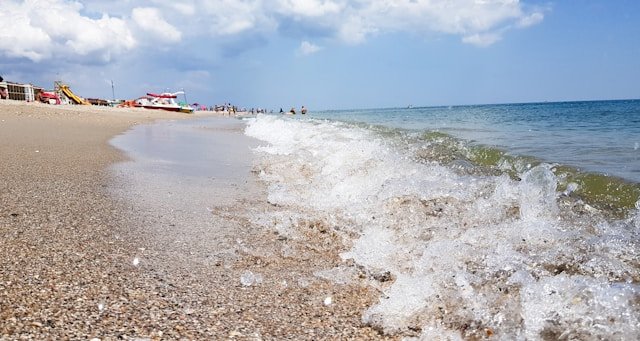
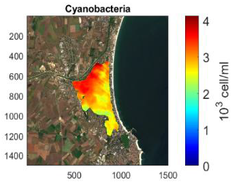 Siutghiol Lake with cyanobacteria index
The final two months of the DTEClimate project implementation provide a valuable opportunity to review achievements (as well as hardships), engage with partners and stakeholders, and continue dissemination activities.
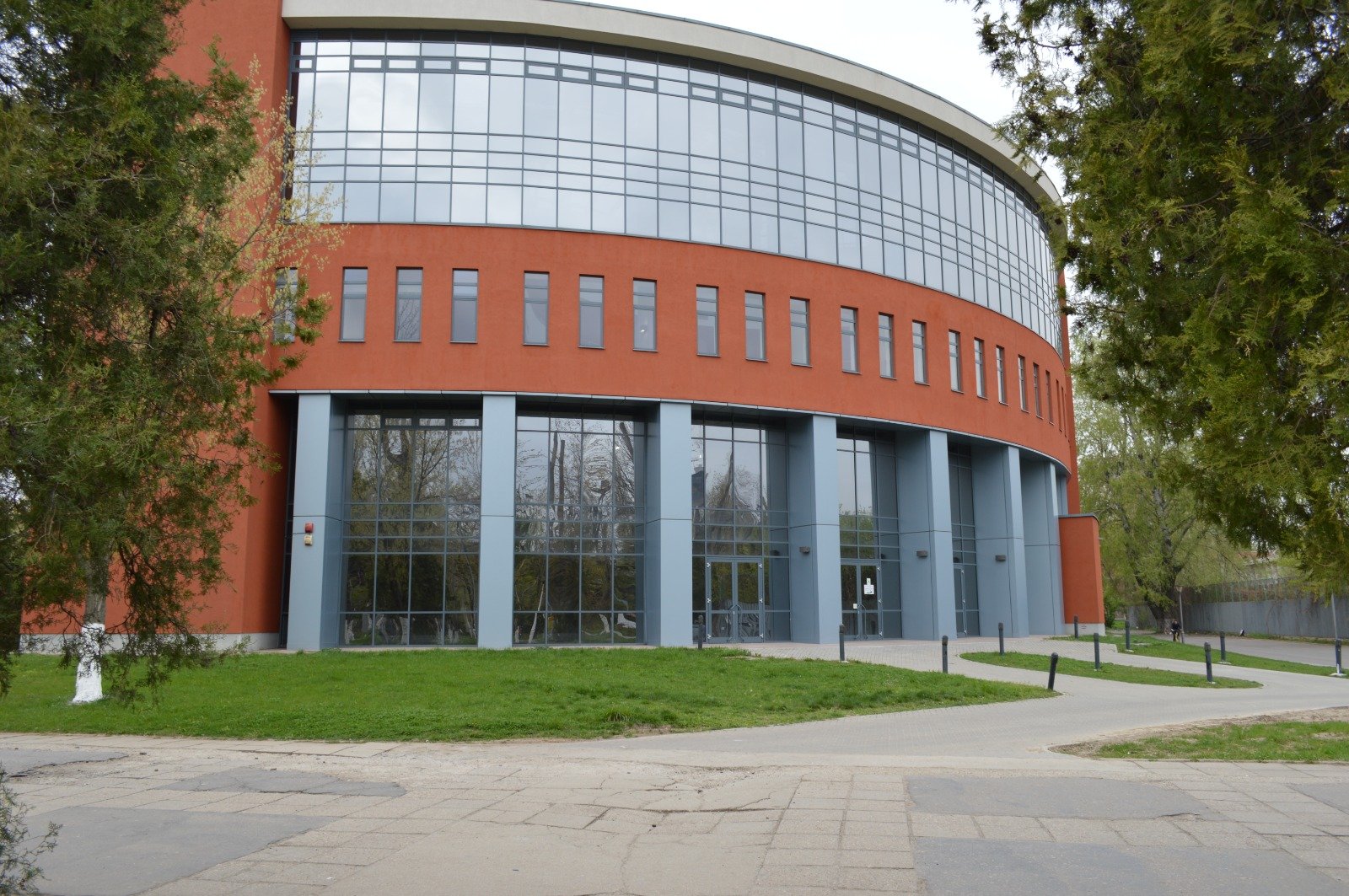
The final local event of the Act4D-Eutrophication specific project (coordinated by the Institute for Nanotechnologies and Alternative Energy Sources) took place in a hybrid format at the University of Ovidius campus (and online) on Friday, March 6th. It brought together representatives from several UOC faculties and the rector, local authorities, civil society and collaborators, as well as other DTEClimate members, including the project director and the principal investigators of the four other specific projects.
The presentation outlined developments during Act4D-Eutrophication of tools and methodologies for the monitoring and characterization of aquatic ecosystems and the proposed relevant intervention measures. Important achievements facilitated by project funding were the construction and operationalization of the ”Ovidius” research vessel and the launch of a floating platform to improve and facilitate in situ measurement and the research of aquatic ecosystems.
During the conference, it was officially announced that Ovidius University will participate as a partner of an international consortium in a project recently selected for funding under HORIZON-MISS-2025-01-CLIMA-03 and to be implemented in the timeframe 2026-2030.
In light of the Competence Center's primary objective, to participate in Horizon Europe mission calls—especially for the theme ”Adaptation to climate change”—this represents a very important milestone. Considering the highly competitive nature of Horizon Europe calls, with average success rates of only 11–15% (depending on the programme pillar and calls), the accomplishment of the UOC team deserves the highest congratulations 👏👏👏
The CORRAL project—CO-creating Regenerative and Resilient coastAL futures—will support coastal cities and regions across Europe to design and implement solutions combining nature-based, digital and governance innovation to strengthen long-term resilience and adapt to climate change. Wishing them resounding success in everything that follows!
Media coverage available from Radio România Constanța: https://www.radioconstanta.ro/2026/03/12/uoc-a-prezentat-rezultatele-proiectului-dteclimate-dedicate-adaptarii-ecosistemelor-acvatice-la-schimbarile-climatice/