
News

Recent progress and notable advances in the implementation of DTEClimate and the deployment of digital technologies for environmental resilience

Final DTEClimate Symposium
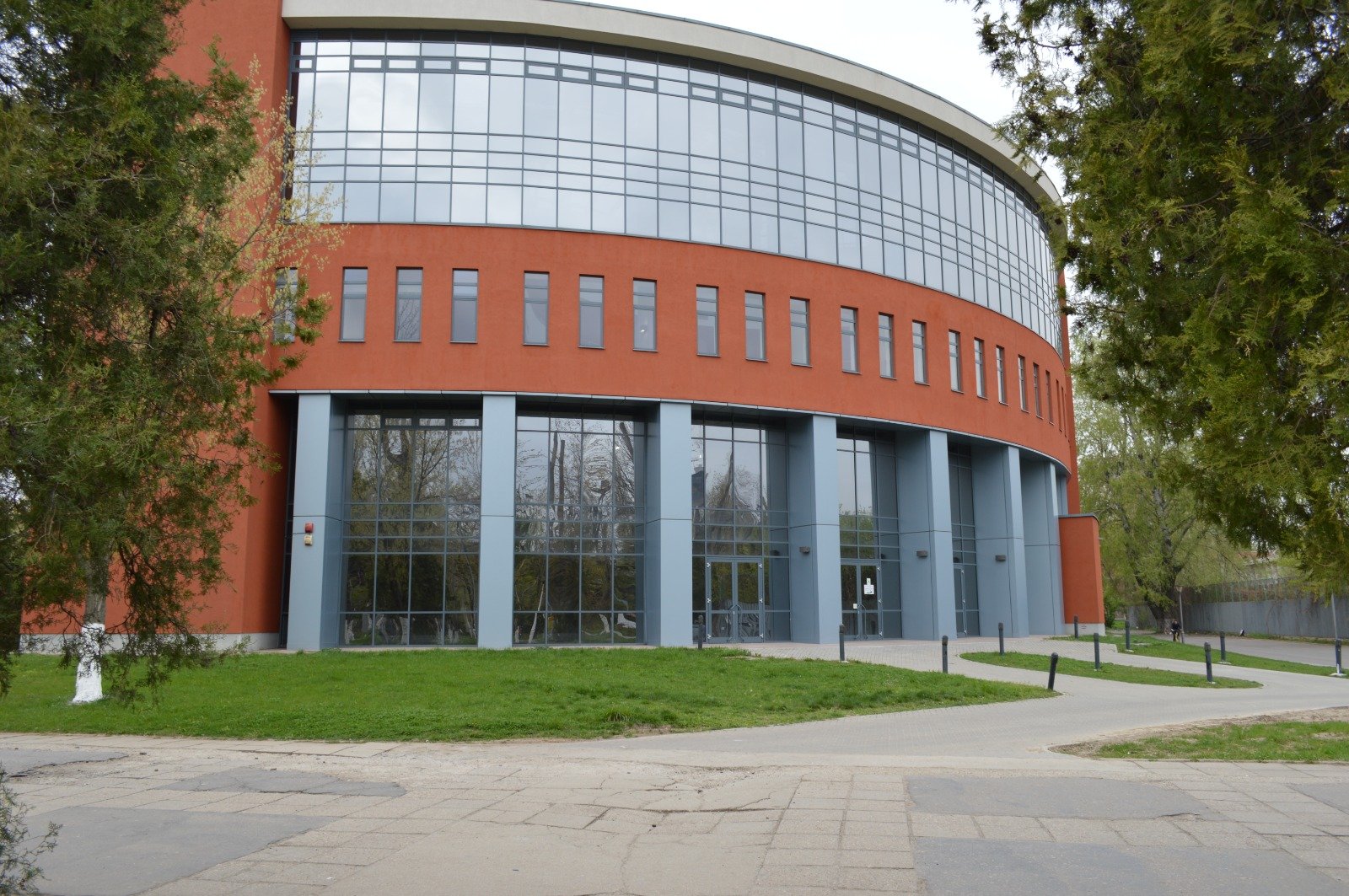
The last symposium of the DTEClimate project – Competence Center for Climate Change Digital Twin for Earth Forecasts and Societal Redressment - took place on 18 March 2026 at the library of University Politehnica.
Research-Driven Education in the Academic Environment - Student Projects (II)
In accordance with the objectives of the project, we aim to increase awareness for modeling and understanding the effects of climate change. Academic trainings should act to create a robust knowledge base for action. Further, interactions between teaching and research should always be encouraged. In this spirit, AI4DTE project members collaborate in stimulating academic activities (i.e., master courses and presentations) that include in their curricula elements on AI technologies and Earth observation data to serve as a basis for understanding climate processes and societal aspects.

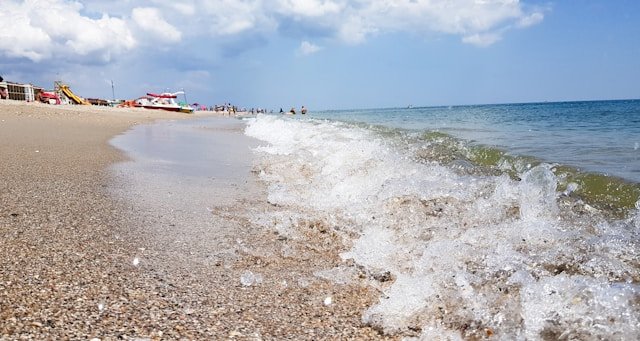
Closing event @UOC for the Act4D-Eutrophication Specific Project
The final local event of the Act4D-Eutrophication specific project took place in a hybrid format (University of Ovidius campus and online) on Friday, March 6th 2026.

POLITEHNICA Partnerships under DTEClimate - Environmental Intelligence and Climate Resilience
The National University of Science and Technology POLITEHNICA Bucharest deepens its collaboration in the frame of the DTEClimate Competence Center with academia, national partners, and NGOs.

DTEClimate at International Research Events
Presentations from DTEClimate Principal Investigator Prof. Mihai DATCU highlight recent advances for modelling geophysical extremes and digital twin technology. The event explored how digital twin technologies can be used to better understand the complex interactions between atmospheric, hydrological, and geological processes that drive extreme environmental events and climate-related risks.

REACTIVE Invited at NORSAR 2026 - From national testbed to European visio
In February 2026, REACTIVE was featured in an online invited presentation at NORSAR, Norwegian Seismic Array Research Institute, outlining a bold vision for climate-hazard monitoring through multi-sensor integration

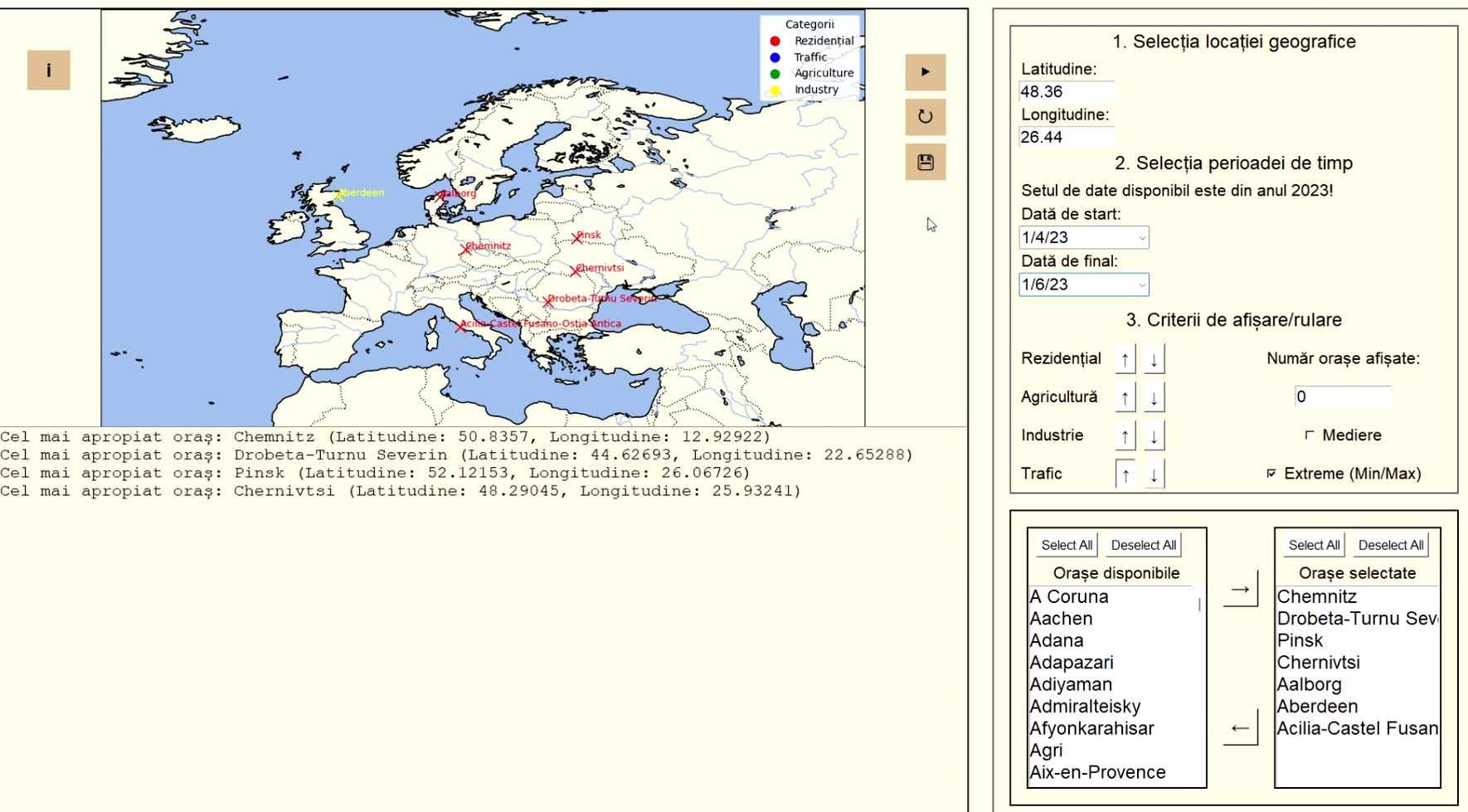
REACTIVE new dashboard: Monitoring and Alert Systems for Extreme Events
A main objective of the REACTIVE specific project is to develop an integrated multi-hazard monitoring service to assess and manage complex risks in Romania

EO4NATURE Natura 2000 Field Validation Campaigns
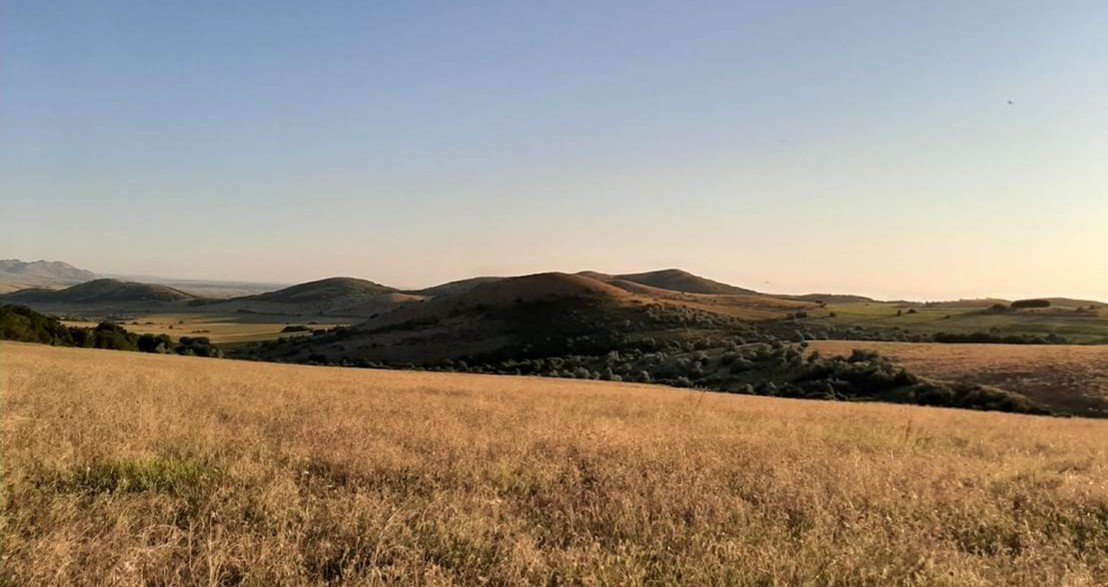
Two fieldwork campaigns were conducted by EO4NATURE representatives across two Natura 2000 sites in November and December 2025. These activities collected in-situ observations, drone photographs, and measurements to support the validation and refinement of habitat and ecosystem results derived from remote sensing and geospatial analyses.

EO4NATURE Online Event - Challenges and opportunities for biodiversity assessment
On the 24th of November 2025, the Romanian Space Agency (ROSA), together with the MULTIDIMENSION SRL partner, organized the online EO4NATURE - Challenges and Opportunities for Biodiversity Assessment conference.

REACTIVE: Climate Signals in Seismic Site Response
An important advancement of REACTIVE is the integrative use of environmental seismology, where existing seismic networks are used to detect signals related not only to earthquakes but also to atmospheric and environmental processes. Understanding how soil moisture influences seismic response is essential for climate-aware seismic hazard assessment - especially in regions experiencing intensified rainfall patterns.

INSAE Awarded at UGAL INVENT 2025 for research results obtained under DTEClimate

EO4NATURE Partners Support Environmental Dialogue at the University of Bucharest’s “Green Together” Workshop

3rd DTEClimate Symposium
The third edition of the DTEClimate – Competence Center for Climate Change Digital Twin for Earth Forecasts and Societal Redressment - Symposium took place on 20 October 2025

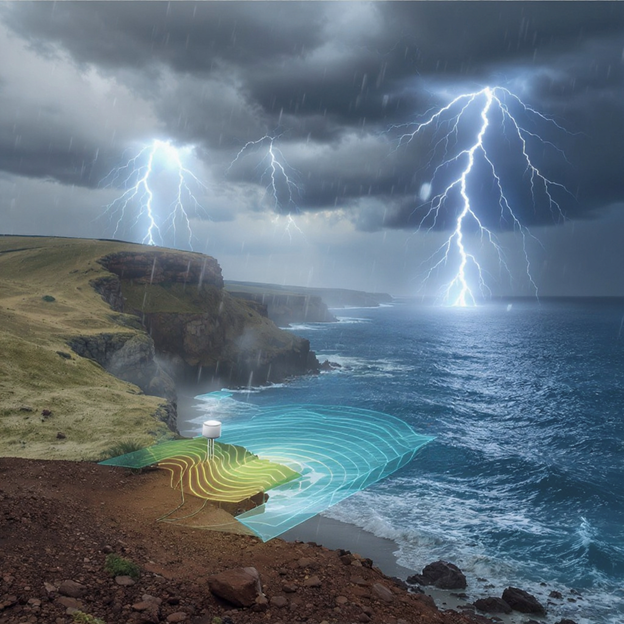
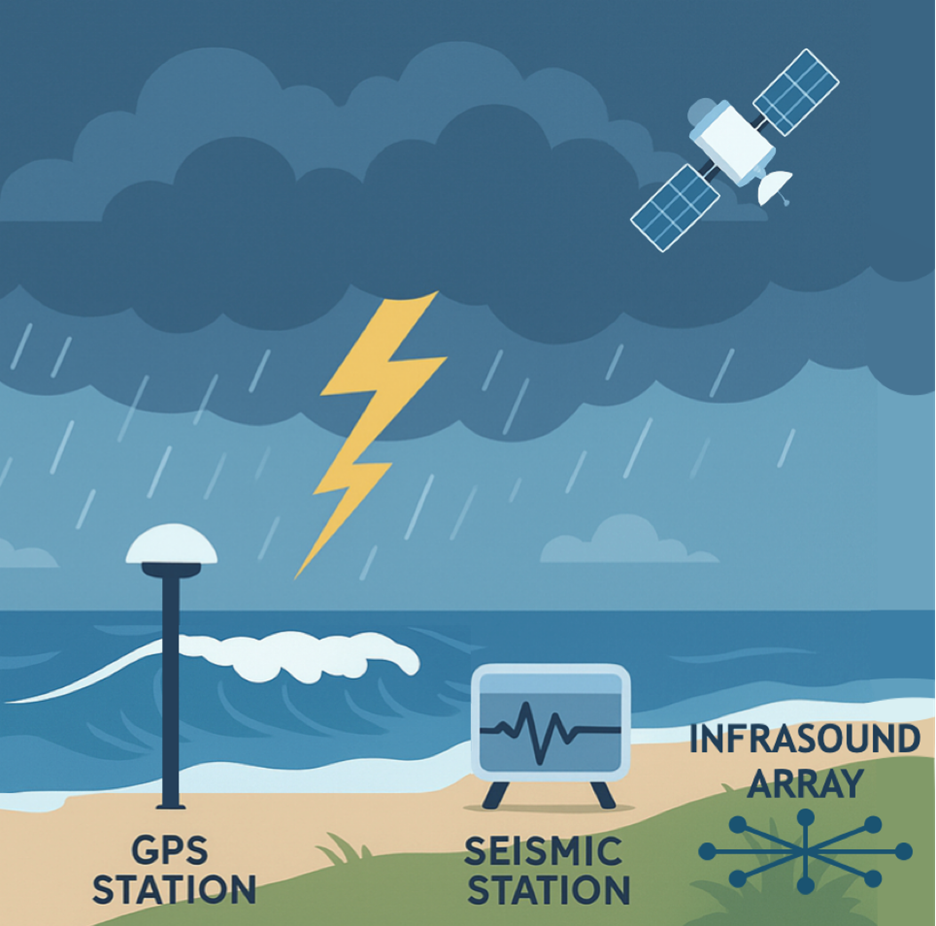
Beyond the Forecast: A Multi-Sensor View of the 2024 Black Sea Superstorm
Extreme weather is not just atmospheric. It is a coupled atmosphere–ocean–solid Earth process. By repurposing seismic, GNSS, and infrasound networks, REACTIVE demonstrates how existing infrastructure can enhance early warning and deepen our understanding of climate-driven hazards along vulnerable coastlines.

Strategic Cooperation Agreement signed between ROSA and ANMAP under DTEClimate

Award-Winning Monograph from USV Iași explores the Impact of Climate Change on Vector-Borne Diseases
The book “The Influence of Climate Change on Vectors and Vector-Borne Diseases” examines the climate-driven emergence of vector-borne diseases affecting human and animal health, supporting the development of evidence-based public health measures, veterinary prevention strategies, and climate change adaptation, fully aligned with the One Health framework.

EGU2025 Contributions
At the European Geosciences Union (EGU) General Assembly 2025, members of the complex project DTEClimate participated with complementary scientific contributions addressing climate-driven hazards, geospatial intelligence, and ecosystem resilience.

Act4D-Eutrophication: Event at Ovidiu City Hall for Climate Resilience of Local and Coastal Communities
On 20 March 2025, the “Ovidius” University of Constanța (UOC), Institute for Nanotechnologies and Alternative Energy Sources (INSAE) in collaboration with Ovidiu City Hall hosted a local climate adaptation workshop with the title “Solutions for Increasing the Resilience of Local Communities to the Consequences of Climate Change."

Research-Driven Education in the Academic Environment - Student Projects (I)
In accordance with the objectives of the project, we aim to increase awareness for modeling and understanding the effects of climate change. Academic trainings should act to create a robust knowledge base for action. Further, interactions between teaching and research should always be encouraged. In this spirit, AI4DTE project members collaborate in stimulating academic activities (i.e., master courses and presentations) that include in their curricula elements on AI technologies and Earth observation data to serve as a basis for understanding climate processes and societal aspects.

2nd DTEClimate Symposium
The symposium took place on 25 Noiembrie 2024 at the POLITEHNICA University Library